EAN - short definition
Die EAN, abbreviation for European Article Number, is an article number for uniquely identifying products in retail. Today, the term is usually used professionally for this GTIN used. In everyday life, however, many continue to talk about EAN number or EAN code.
In short: The EAN makes products clearly identifiable via barcodes, trading systems, shops and warehouse processes.
Are GTIN and EAN the same?
Almost - but not exactly.
The term EAN (European Article Number) was formerly used for barcodes in retail. Today, this system has been replaced internationally by the GTIN.
That means:
- EAN is the former name
- GTIN has been the current global standard since 2009
In everyday life, many continue to say “EAN”, although technically the GTIN is usually meant.
In short, EAN is historic. GTIN is up to date.
What is an EAN number or EAN code?
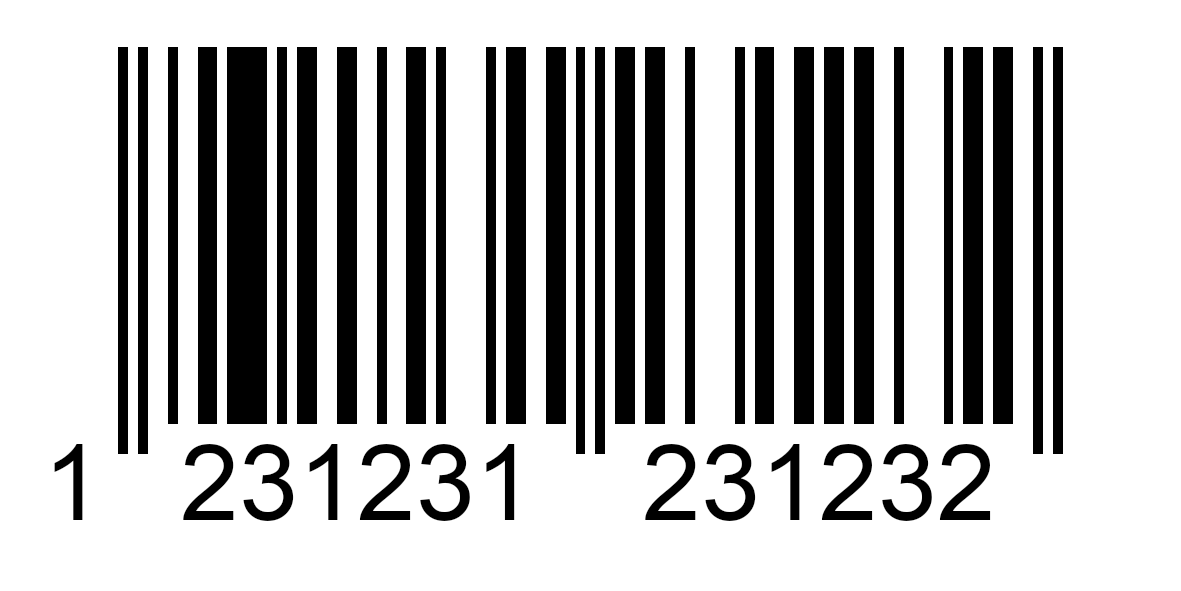
One EAN number is a numeric code that uniquely identifies a product. The 13-digit EAN, also known as EAN-13, is the most common. It is usually found under the bar code on the product packaging. The code consists of two parts: the number and the machine-readable bar code.
In practice, the EAN is used to quickly scan, sell, store, ship or correctly list products in marketplaces. It is particularly important in e-commerce because many platforms recognize and assign product data via EAN or GTIN.
EAN in logistics and fulfillment
In logistics, the EAN is more than just a number on the packaging. It combines product data, inventory, sales and shipping.
A well-maintained EAN code helps with:
- Incoming goods and scanning processes
- unique product identification
- inventory management
- picking
- Returns processing
- Marketplace listings
- Product data feeds
- Avoiding confusion
A clear number structure is crucial, especially for many variants, colors, sizes or sets. If product data is ambiguous, errors occur in the warehouse. And warehouse errors quickly turn into returns, delays, or poor customer experiences.
[[contact]]
How do I get an EAN code?
If you're looking for the EAN code of an existing product, you'll usually find it directly under the barcode on the packaging. Alternatively, it can be found in product data sheets, in the shop system, in the ERP, in the inventory management system or in marketplaces.
If you need a new EAN for your own product, you should get it officially via GS1. In Germany is GS1 Germany The official provider of EAN numbers or the GTIN.
Can you make EAN codes yourself?
You can technically generate a number yourself, but that doesn't mean that it is officially valid or unique worldwide.
EANs or GTINs should be officially issued for professional use in retail, on marketplaces or in the supply chain. This is the only way to ensure that your product number is unique and does not conflict with other products.
For small internal processes, a separate SKU (Stock Keeping Unit) are enough. For true retail, and scalable fulfillment, an official GTIN is the cleaner solution.
EAN vs. SKU: the difference
EAN and SKU They are often confused, but they perform different tasks.
One EAN or GTIN is a standardized product identifier for retailers, marketplaces and scan processes. One SKU is an internal article number that a company issues itself.
example:
- EAN: 4006381333931
- ITEM NUMBER: SHIRT-BLK-M
The EAN helps external systems. The SKU helps your internal warehouse management.
Typical errors with EAN numbers
A common mistake is confusing EAN, GTIN, and SKU. As a result, product data is maintained improperly and processes in the warehouse become more complicated.
Duplicate numbers, incorrectly assigned variants or old product data are also problematic. If a black shirt in size M and a black shirt in size L are not neatly separated, picking errors quickly occur.
Even cheap numbers from uncertain sources can cause problems later on, especially with marketplaces or trading partners. Professional product identification therefore does not start with a barcode, but with clean master data.